
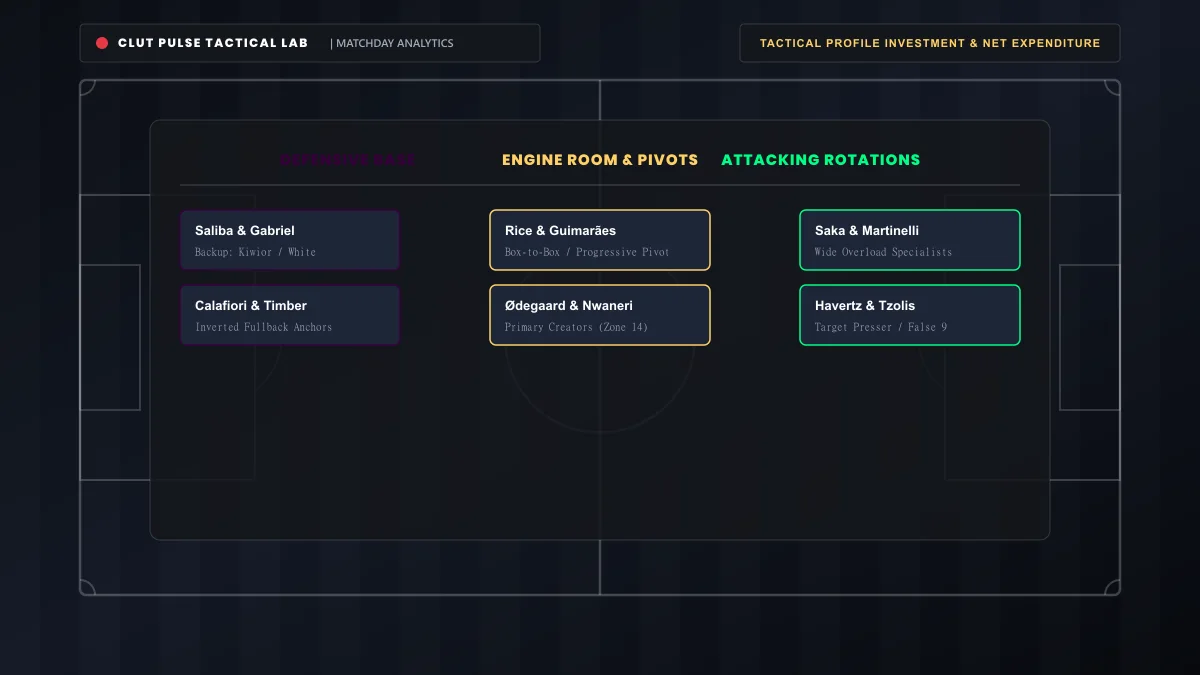
The curtain has officially fallen on the 2026 Premier League summer transfer window following the 23:00 BST deadline on Tuesday, September 1. Across three intense months of high-stakes negotiations, English top-flight clubs committed a staggering £2.34 billion in gross transfer expenditures, reaffirming the Premier League’s unmatched financial muscle while demonstrating an unprecedented level of forensic accounting compliance with Profitability and Sustainability Rules (PSR).
Unlike previous deadline day frenzies characterized by impulsive, panic-driven acquisitions, the summer of 2026 reflected strategic, highly calculated business. Elite clubs prioritized younger assets with high contractual longevity, balanced wage profiles, and structured amortization schedules designed to safeguard balance sheets against regulatory point deductions while maximizing tactical capability on the pitch.
Blockbuster Moves: Reshaping the Title Race
The closing stages of the window delivered several seismic transfers that will redefine the competitive hierarchy for the 2026/27 domestic and European campaigns:
- Bradley Barcola to Liverpool (£78m): Arne Slot secured the French international winger from Paris Saint-Germain in a high-profile deadline deal, injecting blistering pace, direct 1v1 dribbling, and intense pressing capabilities into Liverpool’s revamped offensive front line.
- Bruno Guimarães to Arsenal (£75m): The Brazilian international midfielder swapped Newcastle United for North London, providing Mikel Arteta with an authoritative midfield anchor and tactical dictator alongside Declan Rice.
- Ayyoub Bouaddi to Manchester City (£86m): Pep Guardiola’s side finalized the landmark capture of the 18-year-old Lille prodigy, securing a generational midfield general capable of orchestrating tempo in the center of the pitch.
- Ezri Konsa to Arsenal (£55m): Aston Villa sanctioned the England defender’s departure to bolster Arsenal’s backline versatility while realizing substantial pure accounting profit under PSR guidelines.
- Marc Guéhi Retained by Crystal Palace (£70m valuation): Despite late inquiries from Newcastle United and Liverpool, Crystal Palace chairman Steve Parish held firm on his valuation, retaining the club captain for the upcoming campaign.
The Impact of PSR and Financial Prudence
While gross expenditure approached historic highs, net spending across the league was tempered by substantial player sales abroad. Saudi Pro League and continental European clubs provided significant liquidity to Premier League balance sheets. High-profile departures—such as Gabriel Martinelli’s £60 million transfer from Arsenal to Al-Hilal and Chelsea offloading several high-wage fringe stars—demonstrated how clubs used outward transfers to create vital spending headroom.
Financial analysts note that clubs operated with heightened forensic accounting vigilance throughout August. Structured installment payments spread across four- and five-year accounting periods, deferred performance contingencies, and buy-back clauses were frequently utilized to structure transactions within strict UEFA and Premier League financial guardrails.
Tactical Evolution: The Shift in Scouting Profiles
From a tactical perspective, the 2026 transfer market revealed clear patterns in managerial recruitment priorities. Top clubs overwhelmingly favored two specific player archetypes:
- Inverted, Multi-Functional Fullbacks: Managers required wide defenders capable of slotting into central midfield during possession phases while possessing the athletic recovery pace to defend wide channels during opposition counter-attacks.
- Press-Resistant Ball Carriers: Central midfielders who can receive the ball on the half-turn under intense pressure and break the first line of an opponent's press through vertical passing or progressive carries.
- Dynamic Wingers with Defensive Work Rates: Wide forwards who generate high expected assists (xA) while maintaining rigorous tracking back duties to support fullback overloads.
- Sweeper-Keepers with Elite Distribution: Goalkeepers capable of acting as an eleventh outfield player in deep buildup phases under aggressive opposition presses.
Mid-Table Ambition and Continental Aspirations
Beyond the traditional title contenders, mid-table clubs demonstrated extraordinary ambition. Aston Villa reinvested their windfall into technical continental talent to sustain their European ambitions under Unai Emery, while West Ham United and Newcastle United completed vital deadline day additions to reinforce squad depth. The competition across the top half of the Premier League table promises to be more intense and volatile than ever before.
Winners and Title Race Outlook
Liverpool, Arsenal, and Manchester City emerged from the window with strengthened squad depth across all departments, setting the stage for an electrifying three-way title battle. With squads officially locked in until the January 2027 window opens, managers now turn their complete attention toward tactical chemistry, squad rotation, and grinding out crucial points in the autumn title race.

Discussion