
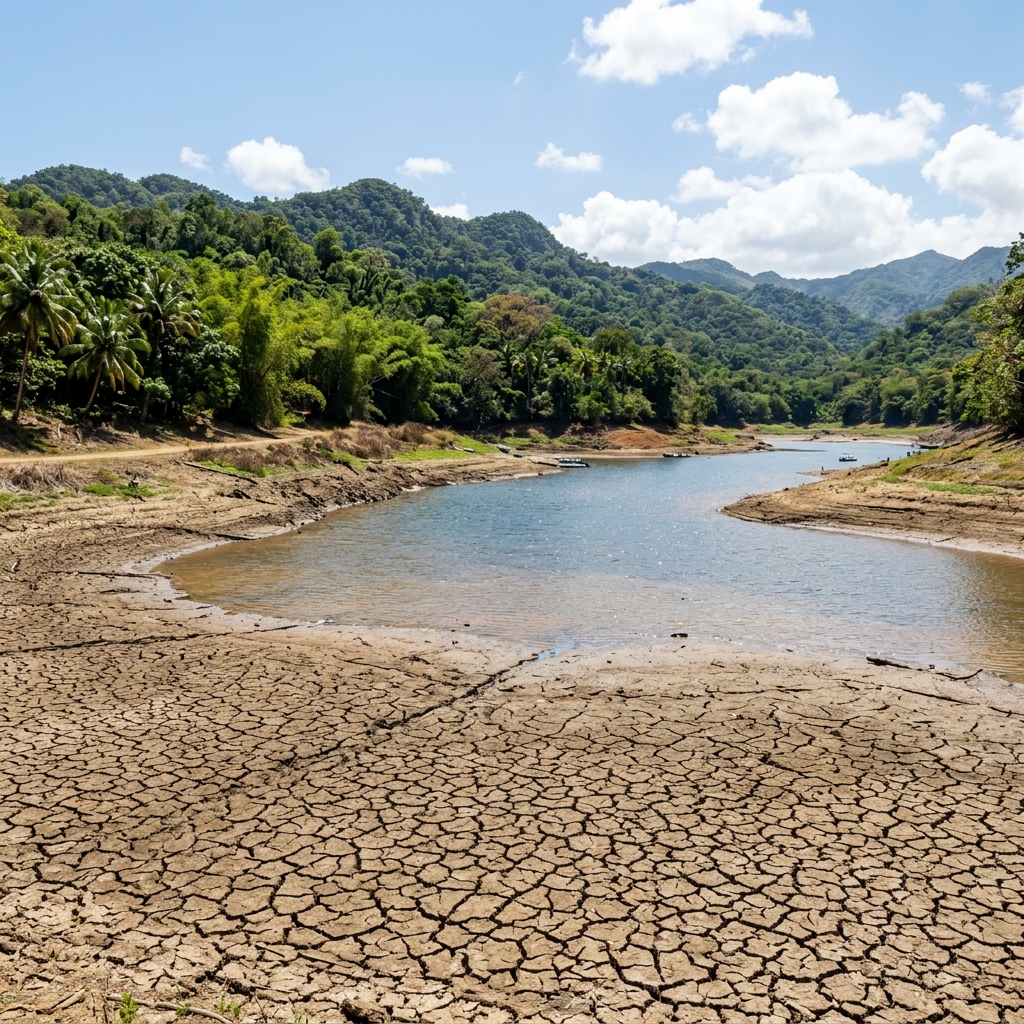
The government of Puerto Rico officially enacted emergency mandatory water rationing on Thursday, August 6, 2026, as a severe, months-long tropical drought pushed key municipal water reservoirs to critical historic lows. The restrictive measures impact more than 1.2 million residents across the capital city of San Juan and neighboring metropolitan districts including Bayamón, Carolina, Guaynabo, and Trujillo Alto.
Under the emergency directives announced by the Puerto Rico Aqueduct and Sewer Authority (PRASA), residential and commercial water service will be suspended on a 24-hour rotational schedule. Neighborhoods have been divided into alternating service zones, forcing families, business owners, and public facilities to adapt to day-long water outages while emergency infrastructure initiatives are mobilized.
Critical Reservoir Levels Trigger Mandatory Government Action
The decision to enforce mandatory rationing follows weeks of dry, scorching summer conditions characterized by below-average rainfall across the island’s central mountain range. Measurements recorded at the Carraízo and La Plata reservoirs—the primary water sources supplying the San Juan metropolitan region—show water levels dropping below safety thresholds into the severe emergency control zone.
Meteorologists report that the Caribbean region has experienced an unprecedented high-pressure system that deflected typical tropical rain clouds away from the island throughout June and July. Without substantial precipitation from incoming tropical waves, PRASA officials warned that reservoir depletion would accelerate rapidly without immediate consumption reductions.
Economic Impact on Local Businesses and Tourism
The sudden implementation of water shutoffs has created significant logistical hurdles for local businesses, particularly restaurants, hotels, and cafes in Old San Juan and Condado. Business owners have had to purchase private water delivery services and commercial storage tanks to remain operational during customer dining hours.
Hospitality associations reassured visiting tourists that major resorts have installed backup water storage systems to maintain guest comfort, but urged visitors to practice voluntary conservation during their stays.
Community Impact and Emergency Government Response
Across San Juan, residents spent Thursday morning filling water cisterns, plastic containers, and storage buckets. Local municipal governments have deployed fleets of mobile water tank trucks (known locally as oasis trucks) to public plazas, hospitals, and senior living facilities to ensure uninterrupted access to potable drinking water during shutoff windows.
Speaking at a joint emergency press conference in San Juan, PRASA Executive Director Doriel Pagán urged citizens to exercise extreme conservation discipline.
"We are facing a formidable natural challenge, but through collective discipline and prudent water management, we will safeguard our critical water reserves. We urge every resident to limit water usage exclusively to essential domestic needs and avoid washing vehicles, filling pools, or irrigating lawns during this emergency period."
Key Emergency Measures and Conservation Directives:
- 24-Hour Rotational Shutoffs: Neighborhoods divided into Zone A and Zone B receiving water on alternating 24-hour cycles starting at 9:00 AM daily.
- Ban on Non-Essential Water Use: Immediate prohibition of outdoor lawn irrigation, pressure washing, car washing, and filling commercial swimming pools.
- Mobile Oasis Deployment: Over 150 mobile water tankers stationed across public centers to distribute drinking water to vulnerable residents.
- Critical Infrastructure Priority: Hospitals, medical clinics, and emergency response centers fitted with dedicated continuous water pipelines and backup generators.
Long-Term Infrastructure Upgrades and Climate Resilience
The current emergency has renewed urgency surrounding long-overdue water infrastructure updates across Puerto Rico. Environmental engineers point out that sedimentation buildup behind the Carraízo dam has reduced its total holding capacity by nearly 40% over recent decades, amplifying the impact of seasonal dry spells.
Federal disaster mitigation funds allocated to Puerto Rico are currently slated for major dredging projects scheduled to begin later this year. However, until significant rainfall returns to the central mountains, residents of San Juan must rely on strict rationing and community resilience to navigate the summer drought.
Discussion