
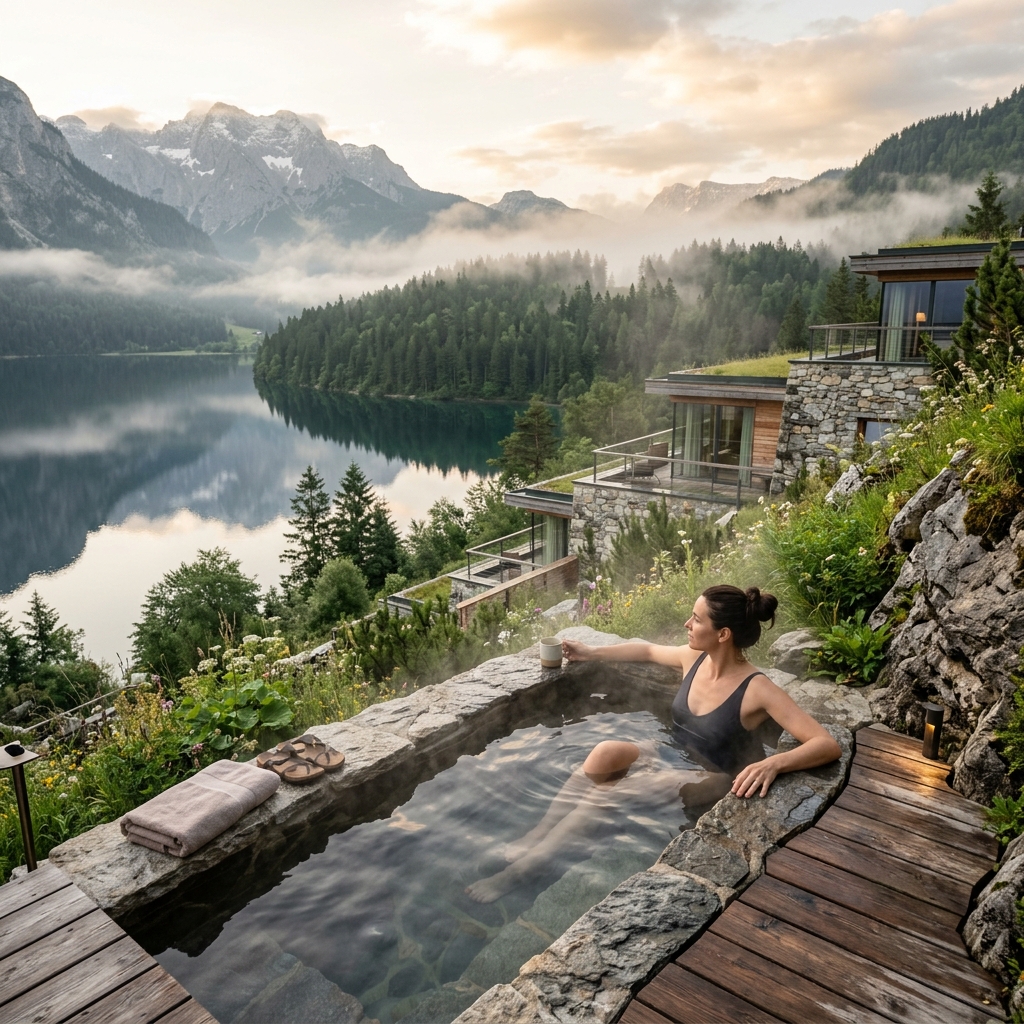
The global travel landscape is undergoing a profound paradigm shift in August 2026. According to comprehensive hospitality data released this week by leading international tourism boards, millions of travelers are actively abandoning frantic, checklist-driven sightseeing trips in favor of "Slow Travel" and elemental contrast therapy retreats.
Exhausted by constant digital connectivity, urban noise, and fast-paced work routines, modern travelers are seeking out immersive, nature-bound sanctuaries designed to restore mental clarity, recalibrate the nervous system, and cultivate genuine presence.
Defining the 'Slow Travel' Philosophy
Unlike traditional vacations where travelers attempt to cram dozens of tourist landmarks into a single week, slow travel emphasizes quality over quantity. Vacationers are choosing extended stays in single eco-friendly destinations—such as mountain villages in the Swiss Alps, coastal sanctuaries in Costa Rica, or serene lake retreats in Scandinavia—where they can synchronize with local daily rhythms.
Slow travel encourages visitors to engage deeply with local agriculture, participate in community conservation projects, and spend unstructured days exploring natural landscapes without the distraction of rigid schedules or constant social media posting.
The Physiology of Contrast Therapy and Thermal Recovery
At the center of the 2026 wellness retreat boom is the widespread adoption of contrast therapy—the deliberate practice of alternating between intense thermal heat (geothermal hot springs, wood-fired saunas, or infrared rooms) and extreme cold immersion (glacial lakes, snow plunges, or ice baths).
Physiologists and wellness researchers emphasize that contrast therapy triggers powerful biochemical benefits. The sudden alternation between heat-induced vasodilation and cold-induced vasoconstriction flushes metabolic waste, releases endorphins, reduces systemic inflammation, and trains the autonomic nervous system to manage stress more effectively.
"When you step out of a 90°C sauna and plunge into a crisp mountain stream, your mind is instantly forced into absolute presence," explains environmental wellness specialist Marcus Lindqvist. "You cannot worry about work emails or mobile notifications. It is a total reset button for the human nervous system."
Digital Detox and Circadian Reset Infrastructure
To maximize the psychological benefits of slow travel, leading eco-resorts are implementing dedicated "digital detox" zones. Rooms are designed without television screens, and Wi-Fi access is strategically limited to reception areas to encourage guests to disconnect from work demands.
Additionally, properties feature specialized circadian lighting design that mimics natural sunrise and sunset patterns, helping guests restore natural melatonin production and achieve deeper REM sleep during their stay.
Economic Sustainability and Local Community Empowerment
Beyond individual health benefits, slow travel provides vital economic support to rural and coastal communities. By spending extended periods in single locations, travelers purchase produce directly from regional farmers, hire local wilderness guides, and support traditional artisanal crafts, ensuring tourism dollars directly benefit local residents.
Long-Term Healthspan Impact and Lifestyle Integration
Travel trend researchers emphasize that the true value of slow contrast therapy retreats lies in their long-term integration. Upon returning home, travelers are far more likely to incorporate cold showers, breathwork protocols, and intentional outdoor time into their daily working routines, creating lasting positive habits that sustain physical and mental resilience over time.
Why Modern Travelers are Choosing Slow Wellness Retreats:
- Nervous System Recalibration: Down-regulating chronic sympathetic fight-or-flight stress responses through guided breathwork and cold exposure.
- Digital Detox & Circadian Alignment: Minimizing screen exposure while aligning sleep cycles with natural solar rhythms and outdoor lighting.
- Authentic Environmental Immersion: Connecting directly with pristine natural elements—forest bathing, wild river swimming, and organic farm dining.
- Durable Healthspan Benefits: Returning home with tangible daily habits, improved heart-rate variability (HRV), and enhanced sleep quality.
The Shift in Luxury Hospitality Design
The rapid rise of slow travel is reshaping how luxury hotel brands design their properties. Renowned hospitality groups are replacing opulent, gold-leaf ballrooms with sustainable eco-architecture, open-air thermal bathhouses, bio-harmonic acoustic design, and farm-to-table culinary programs centered on gut health and anti-inflammatory nutrition.
As slow travel establishes itself as the defining travel ethos of 2026, the modern vacation is no longer about showing where you went—it is about transforming how you feel.
Discussion