
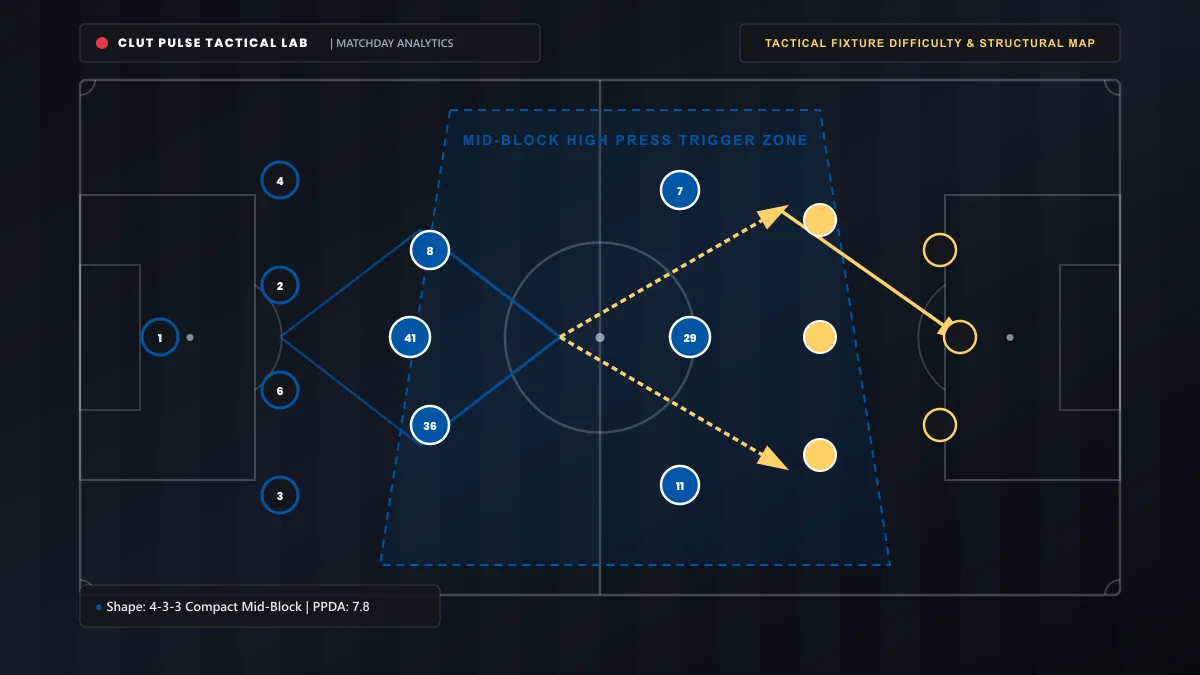
The European football calendar enters its most prestigious phase this September as the UEFA Champions League prepares to commence its 2026/27 league phase across September 8–10. With thirty-six elite clubs competing in a single unified league format, every single fixture carries critical implications for direct qualification into the round of 16.
Continental powerhouses have submitted their official List A and List B player registrations to UEFA headquarters in Nyon, confirming squad adjustments and tactical plans for the challenging eight-match preliminary stage that extends into late January 2027. Unlike the historical four-team group system, the league phase ranks all thirty-six clubs on one master leaderboard, heightening drama from the very first matchday.
Key Matchday 1 Men’s Clashes to Watch
The opening round features thrilling encounters across the continent, highlighting stark tactical contrasts and individual masterclasses:
- Napoli vs Arsenal (Stadio Diego Armando Maradona): Arsenal travel to southern Italy to face Antonio Conte’s disciplined Napoli side in an intense clash of pressing structures and transitional speed. Conte’s defensive compactness will test Arsenal’s new midfield pairing of Bruno Guimarães and Declan Rice.
- Real Madrid vs Bayern Munich (Santiago Bernabéu): A historic European rivalry rekindled under the Madrid lights, testing Real Madrid’s fluid attacking trident against Bayern’s high defensive block and vertical wing play.
- Borussia Dortmund Squad Dynamics: Dortmund made headlines by confirming the registration of English midfield prodigy Ethan Nwaneri, while experienced captain Emre Can was omitted from the initial squad list as he continues rehabilitation following knee ligament surgery.
- Paris Saint-Germain vs Juventus (Parc des Princes): A tactical battle in Paris as Luis Enrique’s youthful PSG squad aims to impose high-tempo possession against Juventus’s organized, compact defensive block.
- Manchester City vs Sporting CP (Etihad Stadium): Pep Guardiola’s tactical setup faces a stern early test against Portuguese champions Sporting, renowned for their explosive counter-attacking efficiency.
Women’s Champions League Draw Sets Up Blockbuster Ties
Simultaneously, the official draw for the 2026/27 UEFA Women’s Champions League league phase concluded in Nyon on Friday, September 4, generating mouth-watering pairings across the continent. English contenders Arsenal were drawn against reigning European champions FC Barcelona, creating an instant classic between two of the most technically gifted sides in the women’s game.
Meanwhile, Chelsea were placed in a high-stakes group featuring Paris Saint-Germain, Wolfsburg, and Real Madrid. The women’s tournament matches will run between September 22 and December 16, offering global football supporters an unprecedented showcase of tactical innovation, athletic excellence, and elite international talent across the autumn months.
Strategic Importance of the Single-League Table
Under the 36-team single-table format, finishing in the top eight guarantees direct entry to the round of 16 and home advantage for the second legs, while teams finishing between 9th and 24th must endure a grueling two-legged knockout playoff in February. Teams finishing 25th or lower are eliminated entirely from European competition with no drop-down to the Europa League.
Consequently, managers cannot afford conservative rotation in early fixtures. Goal difference and aggregate points totals will prove decisive in determining seeding, guaranteeing full-intensity competition from the opening whistle next week. European football enthusiasts can anticipate a thrilling opening matchday as the continent's finest clubs pursue the ultimate prize in club football.
Physical Periodization and Player Workload
With eight intense European matchdays running alongside domestic cup fixtures and league commitments, sports science departments across Europe face unprecedented scheduling challenges. Head coaches are leveraging expanded 25-man rosters and advanced data analytics to rotate starting lineups strategically without sacrificing competitive performance, making tactical depth the ultimate differentiator in modern European football.
Tactical Innovations on the European Stage
Tactical analysts expect this season's Champions League to showcase modern hybrid pressing systems, rapid vertical overloads, and dynamic goalkeeping distribution. As managers refine their systems against varied continental styles, the 2026/27 European campaign promises to redefine tactical standards across global football.

Discussion